Research
Five peer-reviewed papers since 2021, all in Q1 journals, a working paper, two non-journal publications and two projects in progress.
Peer-reviewed publications
Human accuracy in social network analysis: The role of network characteristics in infection risk assessment
Bounded Rationality in Social Network Analysis ... is suggested by our observation that people use relatively easily assessable physical characteristics of a network. The often-complex mental calculation of objective risk dispersion in networks is substituted by a heuristics-driven approach.
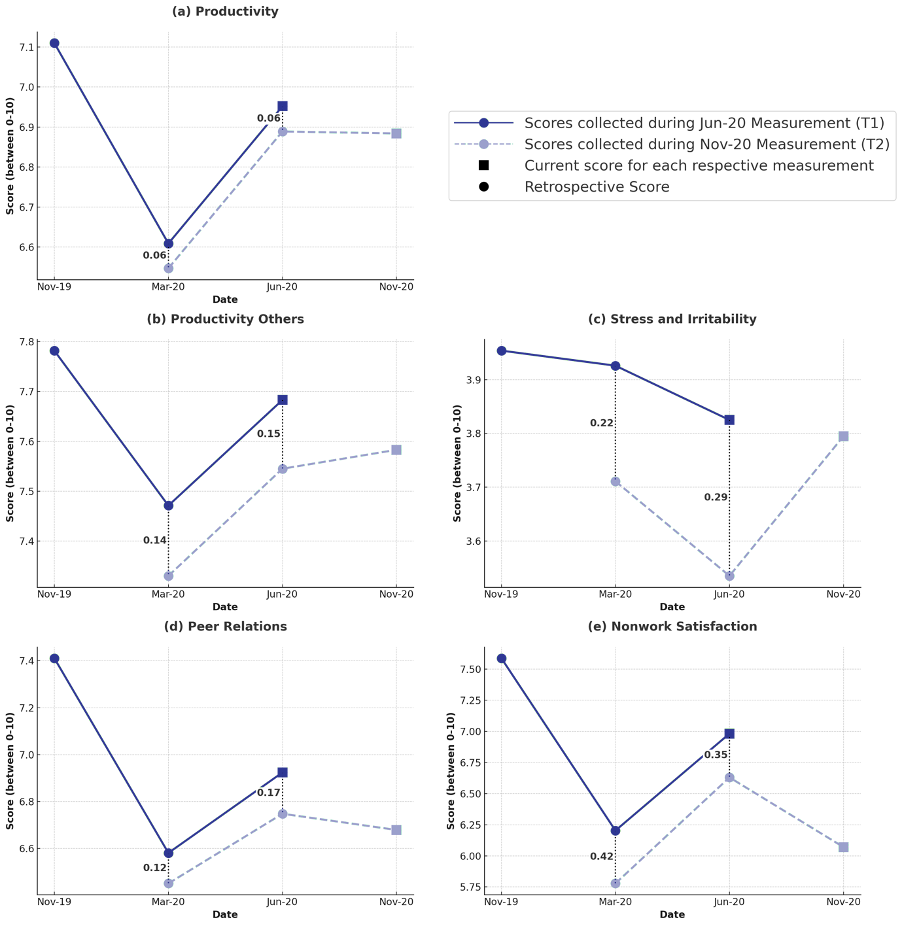
Productivity and stress recollection inaccuracy: Anchoring effects in work-from-home evaluation
Wrongly recollecting your work-from-home productivity ... can have serious implications for all work-from-home strategies and policies. I show that for multiple work factors over time, during the turbulent COVID-19 period, people tend to anchor on the 'now' when they are trying to remember how WFH worked out. The working-from-home literature blindly relies heavily on self-reported retrospective WFH evaluations, without questioning its real validity.
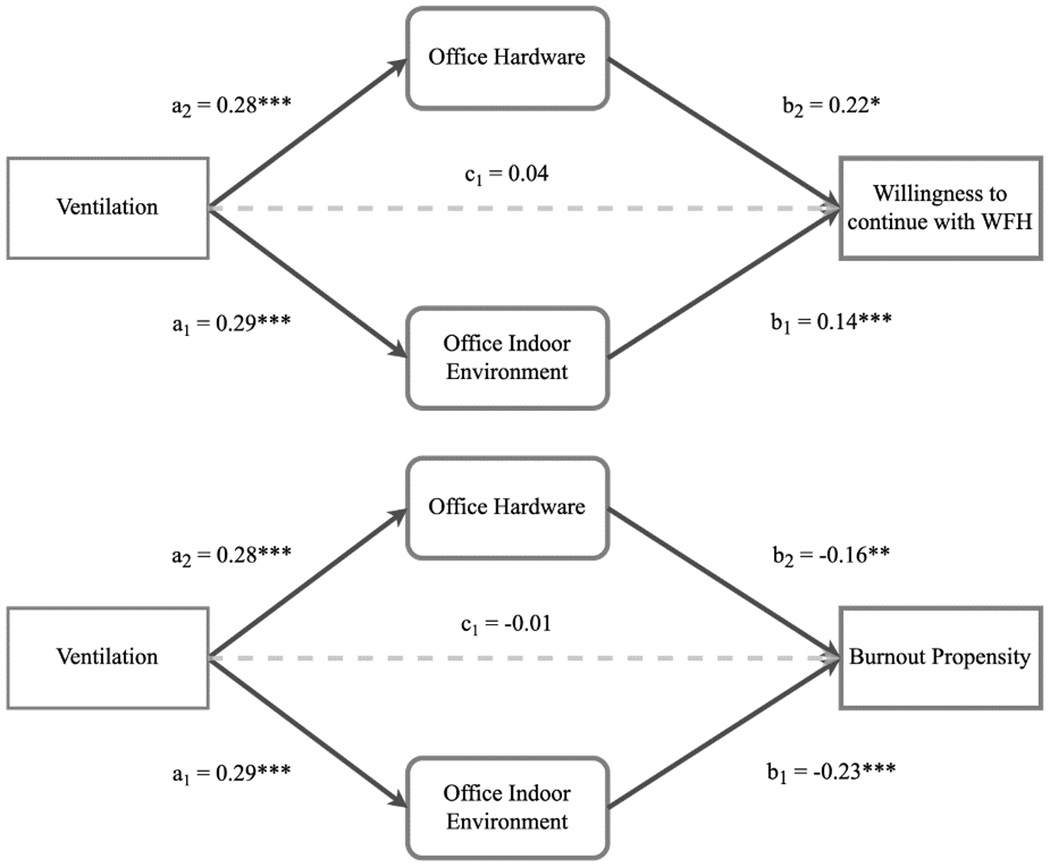
Does working from home work? That depends on the home
Does working from home work? That depends on the home. Working from home productivity depends on satisfaction with the home office climate (e.g. noise and temperature) and the hardware (e.g. chair and screen). Seemingly unbeknownst to the workers, however, opening a window improves satisfaction in both domains.
A well-ventilated home office makes for a happy and productive worker!
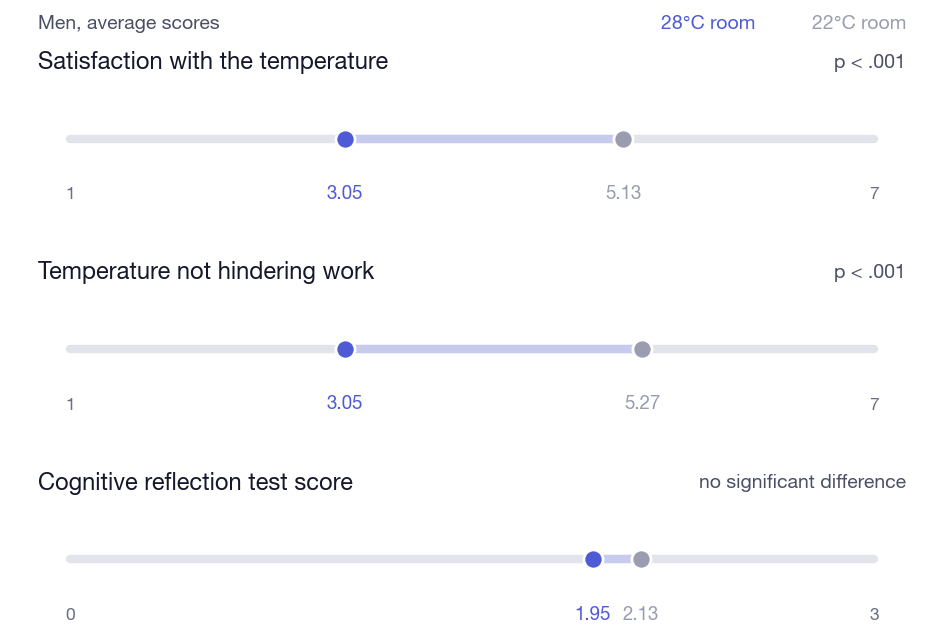
Turning up the heat: The impact of indoor temperature on selected cognitive processes and the validity of self-report
Turning Up the Heat ...makes specifically men complain about the heat, and predict their performance will suffer, even though they are not actually performing worse.
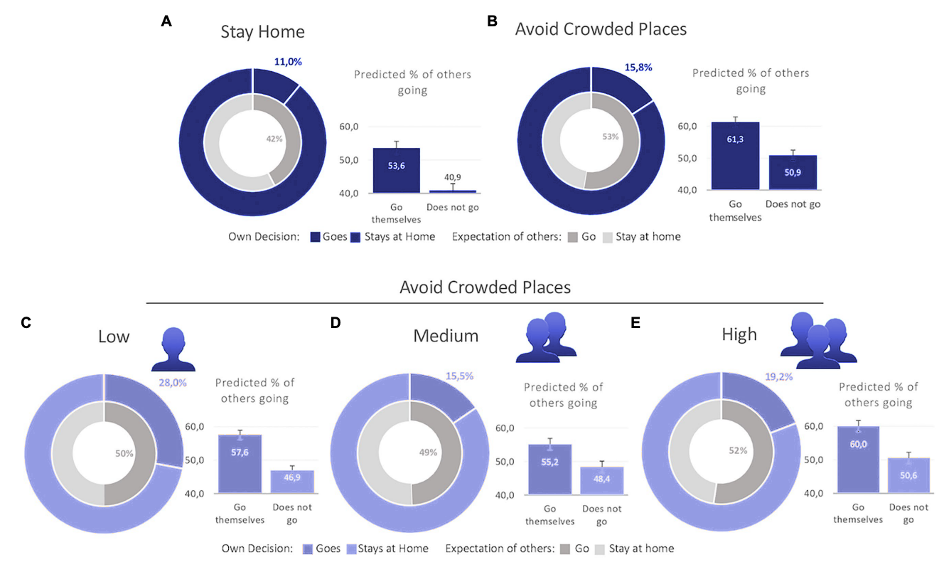
Avoiding crowded places during COVID-19: Common sense or a complex strategic decision?
Avoiding Crowded Places During COVID-19 ... is only possible with more up-to-date information. Strategic decision-making motivates most people to go when they expect others to stay home, inevitably leading to failure to avoid crowdedness.
Working paper
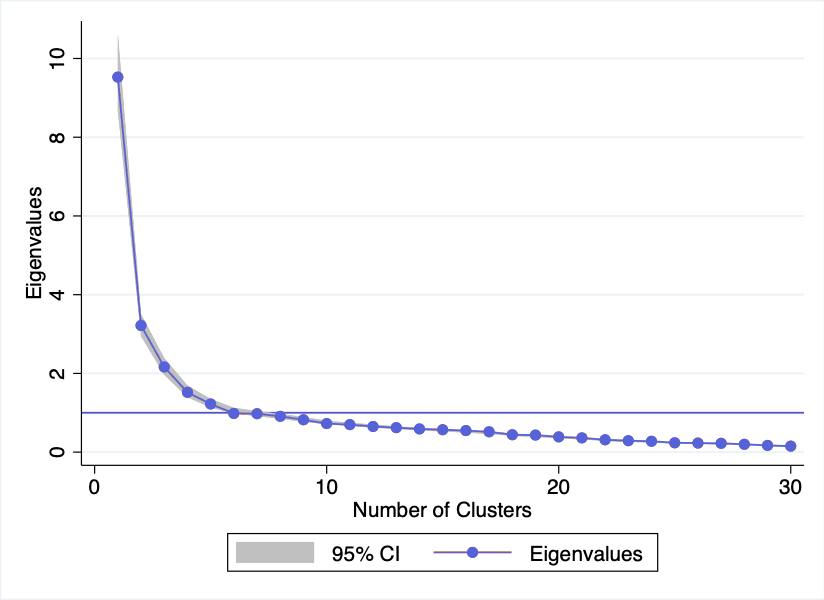
The Work Productivity & Stress Questionnaire (WPSQ): Adjustment, validation, and retest reliability of the Health Work Questionnaire (HWQ) in the working-from-home context
Measuring Work-from-Home Productivity and Stress ... is needed to investigate and evaluate the move to home using productivity on multiple domains. I restructure, validate, and test the retest-reliability a previously validated productivity scale. Additionally, I examine and discuss the performance of simple single-item alternatives.
Non-journal publications
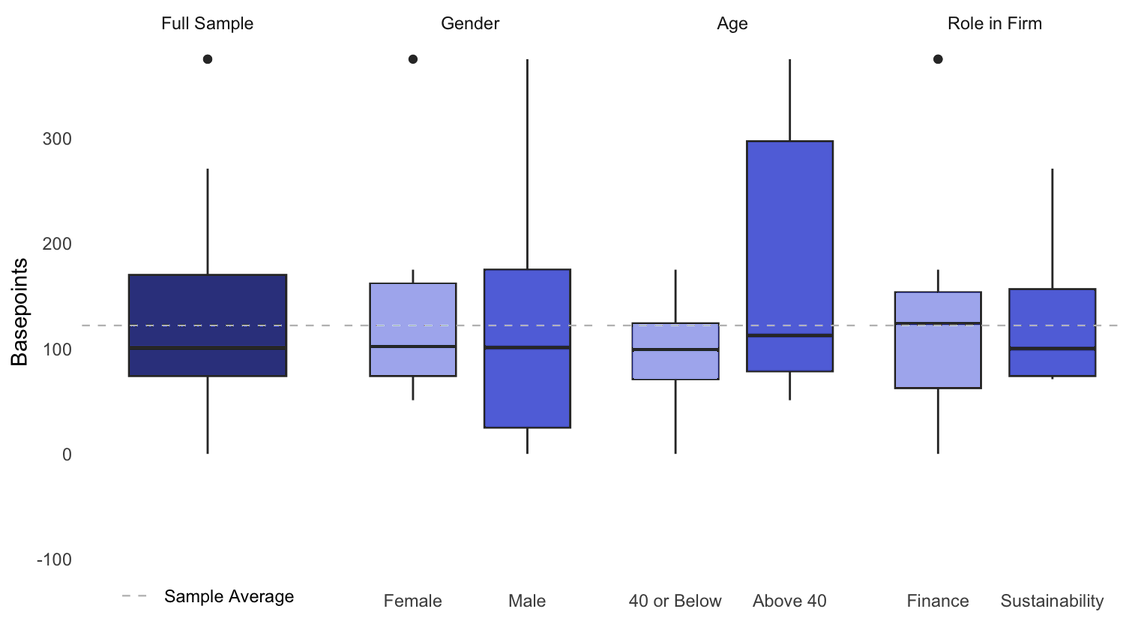
Disentangling social impact ambitions: New perspectives on the return-impact trade-off
Investors required an all-equity return of 8.75% on average, and would accept 7.52% in exchange for more affordable housing.
Vermijden drukke plekken is op papier gemakkelijker dan in de praktijk
Work in progress
Human performance of buildings
Property performance data from senior and student housing, linked to the health, satisfaction and preferences of tenants and workers. Based on Spire data.
The effect of welfare transfer
Intergenerational welfare transfer and financial decision making, using Dutch household data from CBS, life-cycle models and survey data.